Independent Action to Protect the Menoreh Forest
Communities in Pagerharjo Village, nestled in the Menoreh Hills, now officially have an independent legal framework to protect their forests and water springs. Through a Village Deliberation held on September 22, 2026, residents unanimously agreed to adopt a Village Regulation (Peraturan Kalurahan or Perkal) on Wanabraya Community Forest Management. This local governance initiative received full support through the Results-Based Payment (RBP) REDD+ scheme, an environmental performance-based payment mechanism facilitated by the Environmental and Forestry Agency (Dinas Lingkungan Hidup dan Kehutanan or DLHK).
The Backbone of the Ecosystem and Governance Challenges
Community forests in the Menoreh Hills are more than just stretches of green trees. They are the backbone of the life-support system for the people of Pagerharjo Village and the Special Region of Yogyakarta as a whole. With state forests accounting for only around five percent of the total land cover in DIY, much of the responsibility for maintaining environmental sustainability and water availability rests on community-owned forests. These forests hold significant potential as natural carbon sinks for climate change mitigation, while also serving as a primary defense against landslides and drought.
However, managing community forests at the local level presents complex challenges. For years, residents at the hamlet level have faced threats from wildlife poaching, potential disruptions to water spring flows, and legal uncertainty when dealing with outside parties or investors interested in exploiting the hilly areas. Without clear and binding rules, residents’ efforts to protect the environment have often been carried out independently, without adequate legal protection.
An Inclusive Space for Village Deliberation
These conditions prompted the provision of facilitation and assistance through the Sustainable Community Forest Management Unit (UMHRL) Governance Development Activity. This activity is an important part of achieving Outcome 4 of the RBP REDD+ Program in DIY, which focuses on sustainable livelihoods for communities living around forests. A warm and enthusiastic atmosphere filled the Pagerharjo Village Hall as village officials, representatives of the Environmental and Forestry Agency, community leaders, and members of Forest Farmer Groups (Kelompok Tani Hutan or KTH) came together to discuss the future of their forest governance.
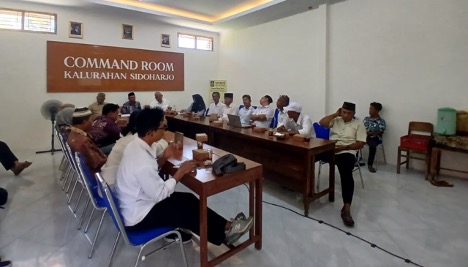
Figure 1: The enthusiastic atmosphere of residents and institutional representatives when attending the Sidoharjo Village Deliberation regarding the Wanabraya Village Regulations.
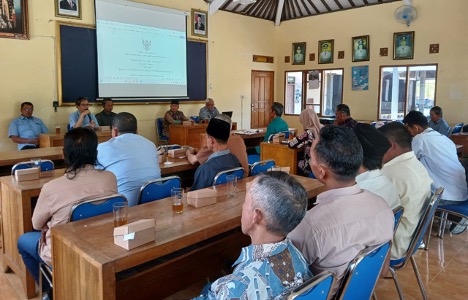
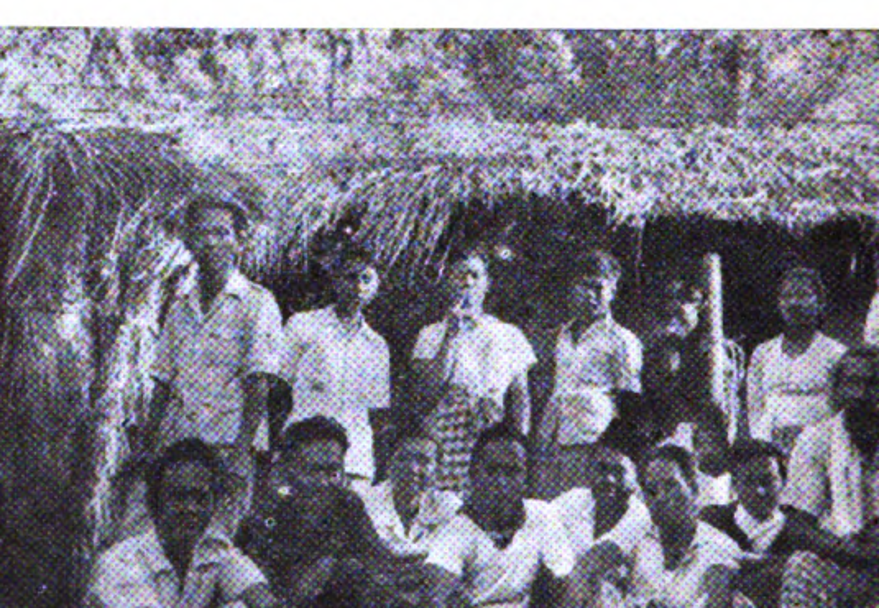
Figure 2: The enthusiastic atmosphere among residents and institutional representatives as they participate in the Pagerharjo Village Deliberation regarding the Wanabraya Village Regulation.
The deliberation was not merely a formal licensing exercise, but a dynamic space for dialogue in which the aspirations of residents from each hamlet were heard and translated into shared legal provisions. During the meeting, the DLHK emphasized that the Village Regulation was intended to provide legal certainty and tangible protection for forest farmers. At the same time, the regulation would serve as an official basis for the DIY Provincial Government to provide ongoing technical forestry assistance in Pagerharjo Village.
Institutionalizing the Wanabraya System and Group Rights
At the heart of the agreed Village Regulation is the institutionalization of the Wanabraya system, a sustainable community forest management model rooted in local wisdom and the special status of the Special Region of Yogyakarta. The Wanabraya system bridges two key pillars: the obligation to maintain the forest’s ecological functions as a carbon sink and water protector, and the right of residents to secure a decent livelihood from forest products.
Through the Wanabraya Village Regulation, Forest Farmer Groups are granted legal recognition and full authority to manage community forest areas responsibly. Residents are encouraged not only to plant timber trees, but also to adopt agroforestry, agrosilvopastoral, and agrosilvofishery systems that combine forestry plants with productive crops, livestock, and fisheries.
To prevent unfair competition and uphold the principle of equity, the use of potential environmental services, such as ecotourism, is regulated so that it is managed collectively through Forest Farmer Groups or a joint Community Forest Management Unit (Unit Manajemen Hutan Rakyat or UMHR), rather than being controlled unilaterally by individuals. In addition, the Village Regulation provides communities with a strong legal basis for regulating outside investors seeking to operate in the area, ensuring that every partnership delivers the greatest possible benefits to local residents without damaging environmental functions.
Area Protection and Persuasive Law Enforcement
The most dynamic discussions during the deliberation arose around wildlife poaching and the management of disturbances to water springs. Residents called for firm law enforcement that would nevertheless uphold the values of kinship and justice.
The deliberation ultimately established a gradual mechanism for protecting the area. When a violation occurs or an outside party enters a KTH-managed area without permission, the initial response is to issue a warning and ask the party to leave immediately. If the violation is repeated, the village government will issue written warning letters, up to a maximum of three times. If these persuasive efforts are still ignored, the case will then be referred for criminal proceedings through the law enforcement authorities.
This agreement gives residents a greater sense of security while affirming that the Village Regulation serves as a shared legal framework for all hamlets in Pagerharjo. At the same time, the deliberation reaffirmed the principle of fairness: participation in Forest Farmer Groups is voluntary. Residents who have not joined or choose not to join a KTH retain full rights over their own land and remain entitled to forestry-related assistance and services from the village government.
A Shared Commitment to the Future of the Menoreh Forest
The Pagerharjo Village Deliberation reached its culmination when the village government and representatives of the community agreed to and signed the Village Regulation on Wanabraya Community Forest Management.
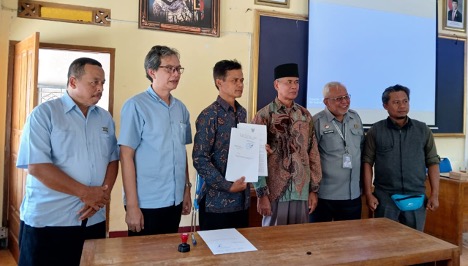
Figure 3: The signing and ratification process of the Pagerharjo Village Regulation, serving as evidence of a shared commitment to maintaining a sustainable forest.
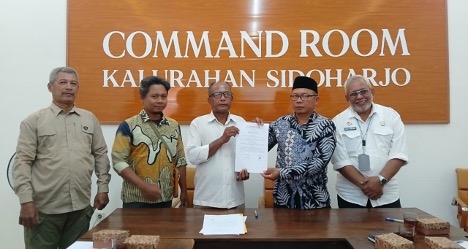
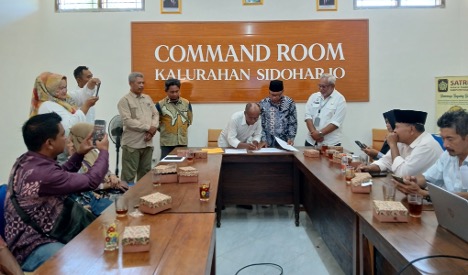
Figure 4: Process of signing and ratifying the Sidoharjo Subdistrict Regulation as proof of joint commitment to maintaining sustainable forests.
The adoption of the Pagerharjo Village Regulation demonstrates that the Results-Based Payment (RBP) REDD+ scheme is not merely a technical concept discussed at the provincial level, but can also drive tangible action on the ground. Through these fair, participatory, and inclusive local regulations, Pagerharjo Village has demonstrated that protecting the Menoreh Forest can go hand in hand with improving community welfare and strengthening local community institutions.
Contributors:
Rhevia Rizky Khoirunnisa & Rizka Maulidasari