
Strengthening Women Farmers Groups through Simple Business Planning Training in Tanggamus District
admin
July 23, 2025
Livelihood Improvement Interventions,Women's Empowerment Collective

Tanggamus, Lampung — May 2025. Yayasan Resiliensi Lingkungan Indonesia (Relung Indonesia), with support from Deutsche Gesellschaft für Internationale Zusammenarbeit (GIZ) Indonesia and PT Nestlé Indonesia – Panjang Factory, has carried out a Simple Business Plan Training for Women Farmers Groups (Kelompok Wanita Tani/KWT) in two subdistricts: Pulau Panggung and Ulu Belu, Tanggamus District, Lampung Province.
This training was a continuation of capacity-building initiatives that previously introduced the Gender Action Learning System (GALS) and Regenerative Financial Management (RFM) approaches to representatives of local KWTs. The current session builds upon those foundations by equipping participants with practical skills in planning and structuring group businesses using the Business Model Canvas (BMC). The BMC approach was chosen for its simplicity, clarity, and adaptability to the context of rural microenterprises.
Background and Objectives of the Training
Women Farmers’ Groups (KWTs) play a vital role in strengthening household economic resilience—particularly through local food production, agricultural processing, and small-scale home-based businesses. However, in practice, many groups face recurring challenges, such as lack of structured business planning, absence of legal status, and weak financial documentation.
Through the GALS and RFM approaches, participants have previously been trained to understand gender dynamics in economic decision-making and to engage in reflective financial tracking that mirrors everyday realities. RFM not only teaches cash inflow and outflow recording, but also frames finance as a regenerative tool that aligns with social, environmental, and economic values in a mutually reinforcing system.
To complement this process, the current training aimed to:
- Deepen participants’ understanding of business planning in a group context
- Raise awareness of the importance of legal compliance and institutional governance
- Facilitate the application of the Business Model Canvas (BMC) tailored to their actual business activities
- Support the development of short- and medium-term business strategies grounded in local potential
Training Implementation
Locations and Participants
The training sessions were held on:
- May 20, 2025, at Gedung Serba Guna Tekad, Pulau Panggung Subdistrict, attended by 30 participants from 11 KWTs located in Pulau Panggung and Air Naningan.
- May 21, 2025, at Balai Pekon Ngarip, Ulu Belu Subdistrict, attended by 22 participants from 8 KWTs in Ulu Belu and surrounding areas.
The training was also attended by key stakeholders, highlighting a collaborative multi-stakeholder approach to women’s economic empowerment. Among those present were representatives from:
- GIZ Indonesia
- PT Nestlé Indonesia – Panjang Factory
- Tanggamus District Plantation Agency
- Tanggamus District Office of Cooperatives, SMEs, Industry and Trade
- Subdistrict officials and village governments
Opening and Remarks
The training was formally opened with the Indonesian national anthem and a prayer. In his remarks, Yudistira Soeherman, Director of Relung Indonesia, emphasized that this initiative is part of a larger skill consolidation process—from raising social awareness through GALS, strengthening financial understanding through RFM, to advancing technical skills in business planning through BMC.
He highlighted that women in rural areas should not only be involved in production, but also take on roles as planners, financial decision-makers, and strategic thinkers. According to him, collaboration across gender, finance, and entrepreneurship is key to building value-driven, sustainable businesses.
Additional remarks were delivered by Herwadi, representing Pulau Panggung Subdistrict, and Mansyurin, Subdistrict Head of Ulu Belu. Both stressed the importance of cross-sectoral support, especially synergy between KWTs, village governments, and economic institutions such as BUMDes, to ensure that the training results are embedded in broader village development strategies.
Training Topics: Legal Business Frameworks and Business Model Canvas (BMC) Mapping
The Role of Local Government in Strengthening MSMEs
The first session was led by Omi Lestari, S.Kom., MM, from the Tanggamus District Office of Cooperatives, SMEs, Industry and Trade. This session was intended to broaden participants’ understanding of business legality and the regulatory frameworks available through the local government.
Key points included:
- Classification of Micro, Small, and Medium Enterprises (MSMEs) based on capital and turnover
- Guidelines for registering a Business Identification Number (NIB) through the OSS system at no cost
- The process and benefits of acquiring a PIRT (Home Industry Food Permit), which requires attending a Food Safety Counseling (PKP)
- Local government support programs for training, production equipment, packaging, and halal certification
- Food packaging standards, including proper labeling requirements
- The importance of securing Intellectual Property Rights (IPR/HaKI) to prevent plagiarism and strengthen product competitiveness
As a concrete follow-up, the Office committed to allocating special Food Safety Counseling (PKP) quotas for training participants, scheduled for May 27–28, 2025, to expedite the legalization process of KWT products for wider retail market access.
Practicing Business Planning Using the Business Model Canvas (BMC)
The second session was facilitated by Aan Mujibur Rohman, a community business development facilitator. Participants were introduced to the Business Model Canvas, a simple yet comprehensive framework for mapping business models using nine key components:
- Customer segments
- Value propositions
- Distribution channels
- Customer relationships
- Revenue streams
- Key resources
- Key activities
- Key partners
- Cost structure
Participants worked in groups to draft a BMC based on their existing businesses. The products covered included:
- Food products: banana chips, traditional palm-sugar cookies (kue cincin), cassava chips, peanut crackers (peyek)
- Herbal & spice-based products: moringa tea, instant turmeric drinks, dried herbs
- Seasoning products: bottled and bulk dry spice mixes
- Innovative products: papaya candy, coconut sugar bandrek
Group discussions focused on:
- Who are our customers?
- What makes our products valuable?
- Where and how are we marketing them?
- How are our costs and logistics managed?
These discussions helped participants recognize that running a business involves more than just production it also requires planning, strategy, and long-term vision.
Participant Reflections and Closing
The training concluded with an interactive quiz and group reflection. The evaluation showed that participants had a solid grasp of the material, especially in identifying and applying BMC elements.
Many participants expressed that they now better understand the importance of integrating previous lessons (GALS and RFM) into daily business operations. What used to be driven solely by intuition can now be guided by structured tools to support group growth and decision-making.
Most groups expressed a commitment to immediately apply BMC as a reference in planning and expanding their collective businesses.
Conclusion and Recommendations
This training has made a meaningful contribution to building a stronger and more strategic foundation for Women Farmers’ Groups (KWT) in Tanggamus, especially in the subdistricts of Pulau Panggung, Air Naningan, and Ulu Belu. Through strengthened understanding of legality, regenerative finance, and structured business planning, KWTs are increasingly prepared to evolve into independent, socially oriented business entities.
Relung Indonesia and its partners are committed to continuing support through:
- Assistance with business licensing (NIB, PIRT, Halal certification)
- Ongoing monitoring of financial practices using the RFM approach and GALS framework
- Expanding market access through digital platforms and community-based networks
- Regular follow-up on BMC implementation
- Encouraging the integration of KWT businesses into broader economic ecosystems—at the village, district, and provincial levels
Contributor:
Shella


“Dynamic Harmony between Human and Nature.”
-Relung Indonesia
Tags :
Livelihood Improvement Interventions,Women's Empowerment Collective
Share This :
Latest Blog
-
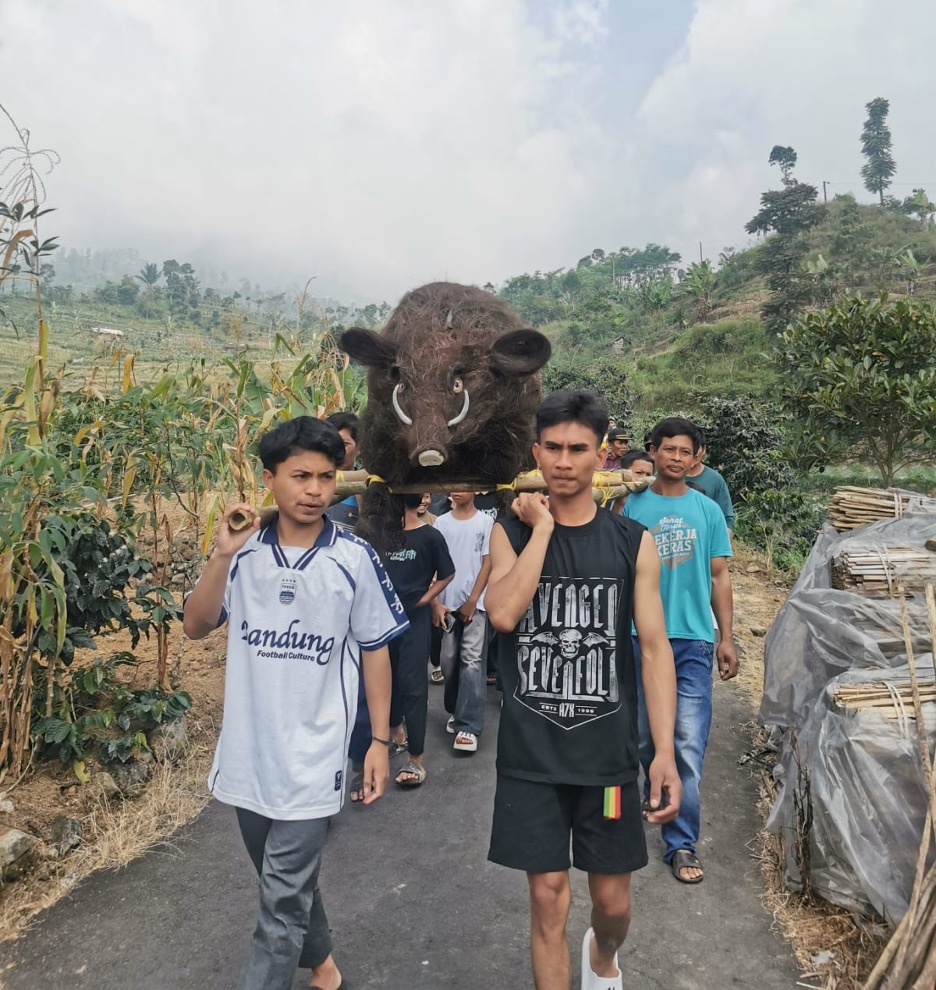 Kemongkong: Preserving the Boundary Between Farmland, Forest, and Wild Boars in Petungkriyono08 Jul 2026
 -
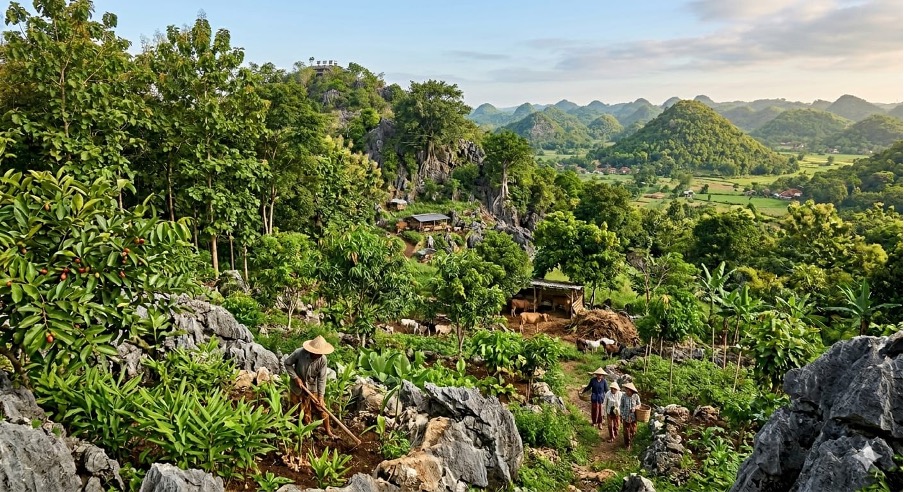 Agroforestry and Karst Carbon: The Hidden Climate Potential Beneath Limestone Mountains26 Jun 2026
 -
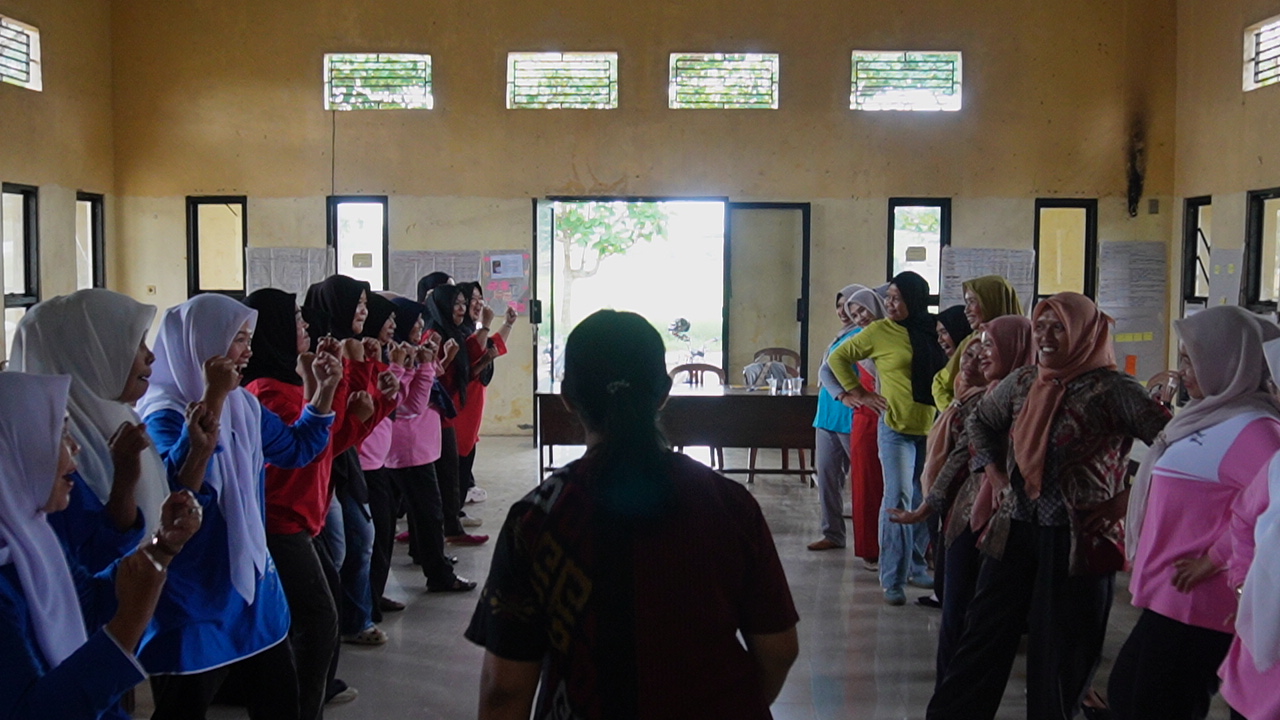 Lessons from EWCF: Agroforestry and the Foundations of an Inclusive Rural Economy24 Jun 2026
 -
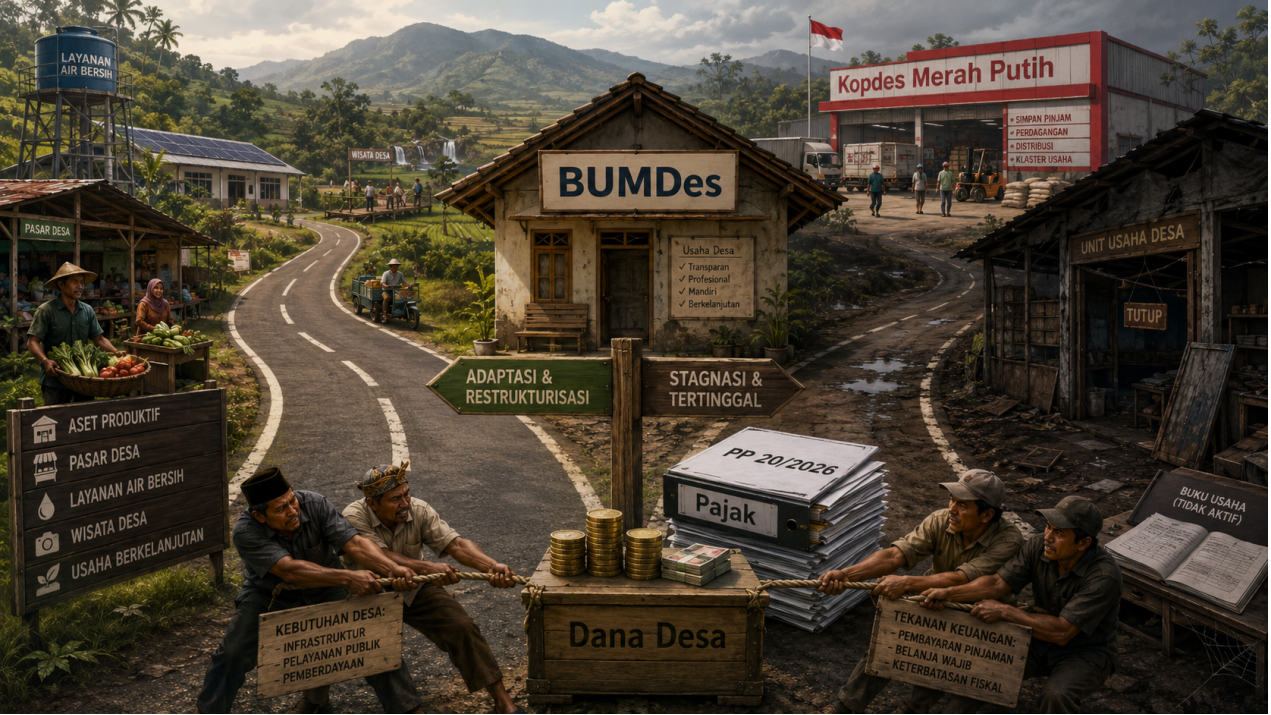 BUMDes at a Crossroads17 Jun 2026
Category
- Ecosystem Restoration
- Biodiversity and Wildlife Conservation
- Community Ecological Education
- Digital Climate Action
- Climate Movement
- Knowledge Hub
- Sustainable Biodiversity-Based business
- Bioconversion and Bioprocessing-Based Business (4B)
- Sustainable Community-Based Tourism (SCBT)
- Integrated Agroforestry Initiatives
- Carbon Farming Initiative
- Basic service access and quality improvement for communities
- Livelihood Improvement Interventions
- Development of Social Networks and Cooperation
- Participatory Sustainable Livelihood Assesment
- Women's Empowerment Collective
Upcoming Events
Discussion: Disability and Social Inclusion
28
March
- Sleman, Yogyakarta
- 15.00 PM - 18.30 PM
Improving Facilitation Skills: Effective Techniques and Strategies
04
June
- Sleman, Yogyakarta
- 14.00 PM - 17.00 PM
Other Pages
Contact Info
- Omah Relung. Kalipentung RT03/RW17 Kalitirto Berbah Sleman Yogyakarta 55573.
- +62 851-7544-2708
- info@relung.or.id
Newsletter
Take care of the environment with Relung Indonesia Foundation! Get the latest information about forestry and the environment in Indonesia.
Relung Indonesia Foundation
Copyright © 2023. All rights reserved.