
Starting Small Actions Behind Big Programs: Managing Waste from Meeting Tables in East Nusa Tenggara
admin
June 1, 2026
News
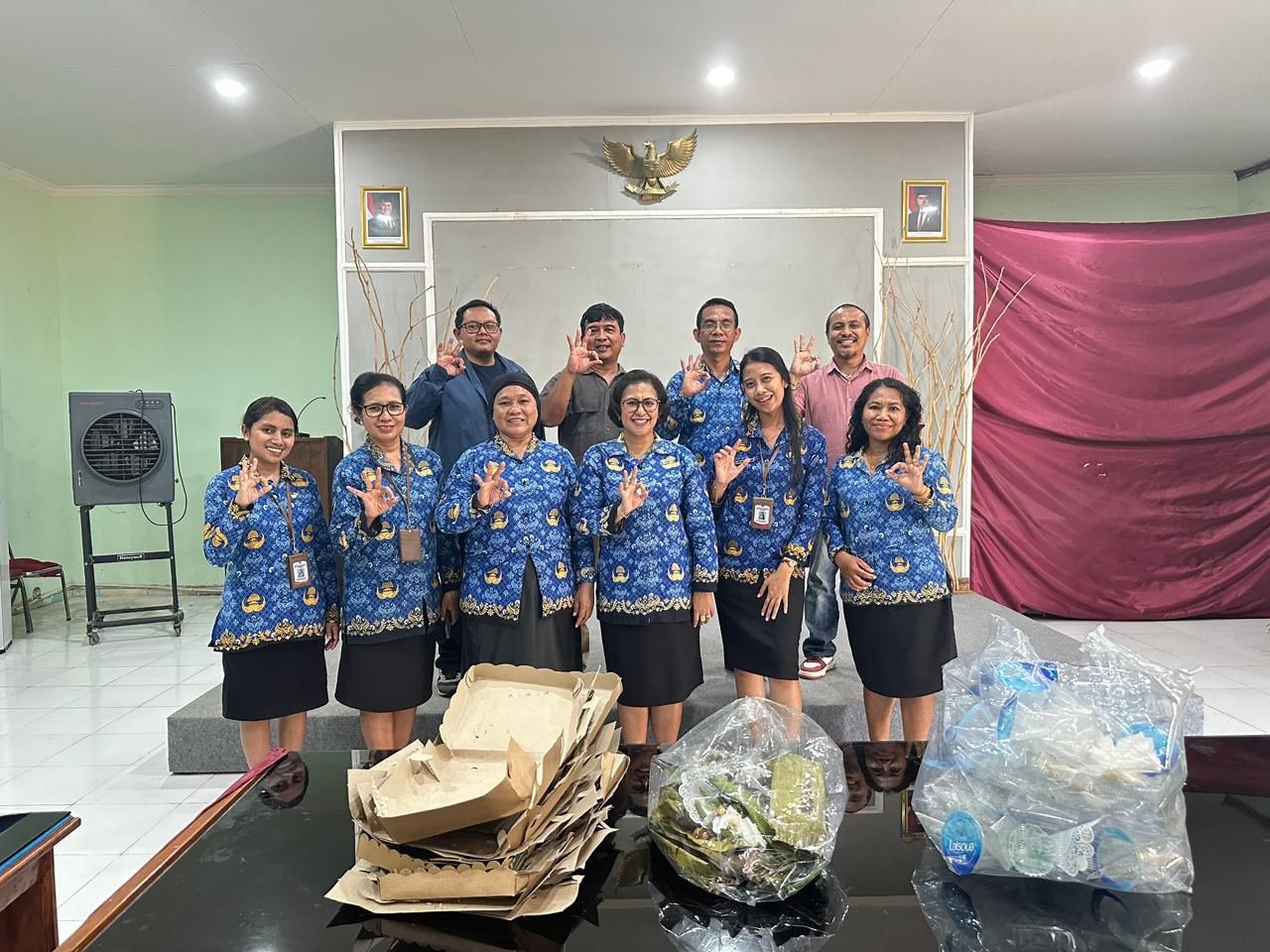
Discussions on global climate action often focus on policies, targets, and emission reduction figures. Yet in East Nusa Tenggara (NTT), Indonesia, a practical initiative is demonstrating that meaningful environmental action can begin with something much smaller—managing the waste generated during meetings and workshops.
Behind the doors of meeting rooms where environmental programs and sustainability strategies are planned, piles of cardboard meal boxes, plastic bottles, disposable cups, and leftover food are often left behind. Recognizing this contradiction, the Relung Indonesia Foundation, in collaboration with the East Nusa Tenggara Provincial Environment and Forestry Agency (DLHK NTT), has introduced a new standard for implementing environmental safeguards under the RBP REDD+ GCF Output 2 Project.
The RBP REDD+ GCF Output 2 Project represents a tangible effort to reduce greenhouse gas emissions through funding provided by the Green Climate Fund (GCF) via Indonesia’s Ministry of Environment and Forestry. The funds are managed transparently and accountably by the Environmental Fund Management Agency (BPDLH). One of the project’s key beneficiaries is provincial governments across Indonesia, involving all 38 provinces working in partnership with intermediary organizations (Lembaga Perantara or Lemtara).
In East Nusa Tenggara, this collaboration takes shape through the appointment of the Relung Indonesia Foundation as the intermediary organization responsible for supporting project implementation and ensuring that every recommended activity translates into meaningful action on the ground. The proposed program focuses on Strengthening Participatory and Sustainable Forest Governance and Resource Utilization for Climate Change Adaptation, with an implementation period of sixteen months.
Coordination and stakeholder engagement are essential components of any successful development program. Meetings, workshops, and coordination forums involving national and local government institutions, academics, and community representatives are held regularly. However, these activities can also generate significant amounts of waste and indirectly contribute to emissions if proper waste management measures are not in place.
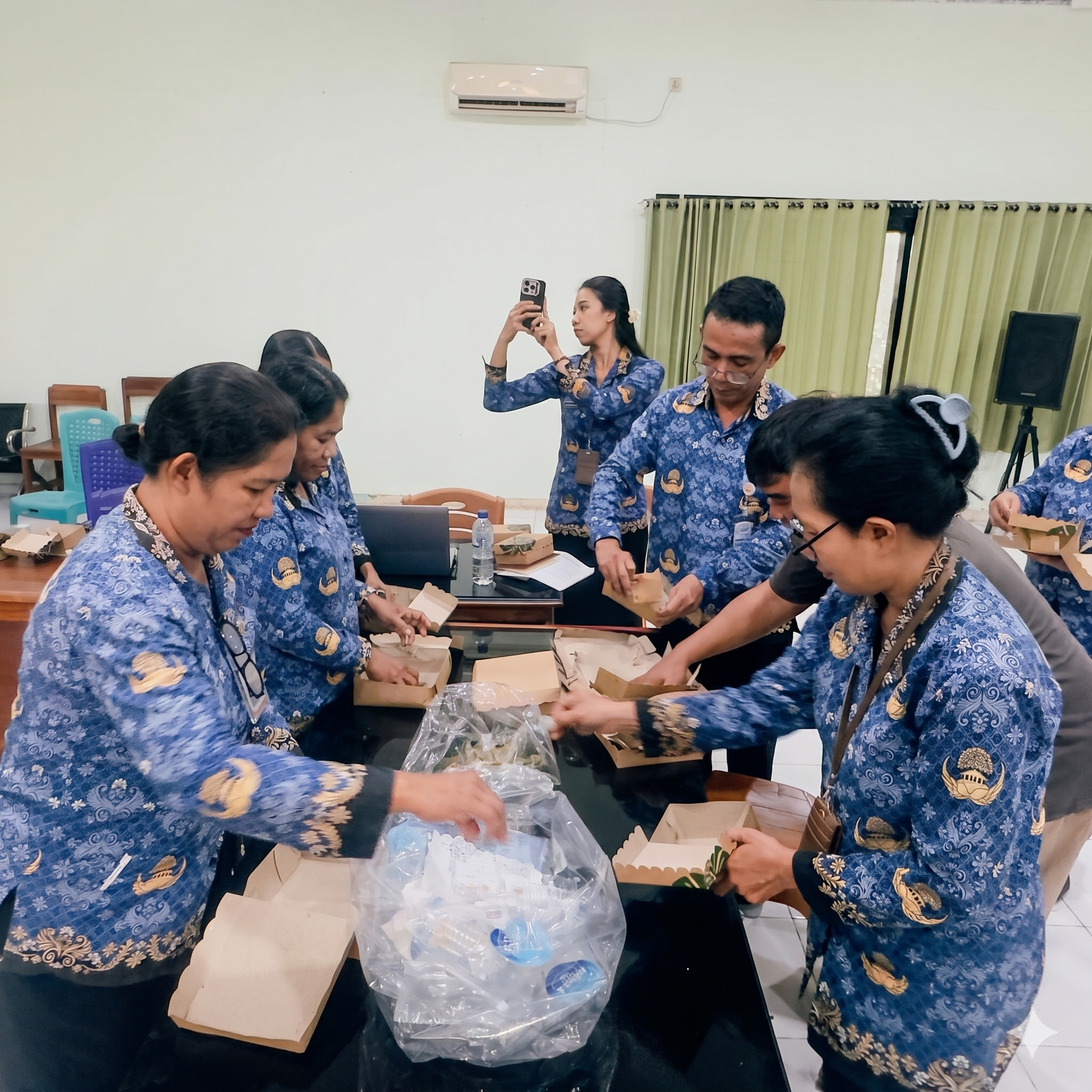
“It makes little sense for a project designed to reduce emissions to simultaneously generate new emissions through piles of unmanaged waste ending up in landfills. That concern inspired this small initiative on waste management. Today, meeting participants are no longer allowed to simply leave their waste behind on the meeting table,” said Arief Fahmi, Senior Expert at the Relung Indonesia Foundation.
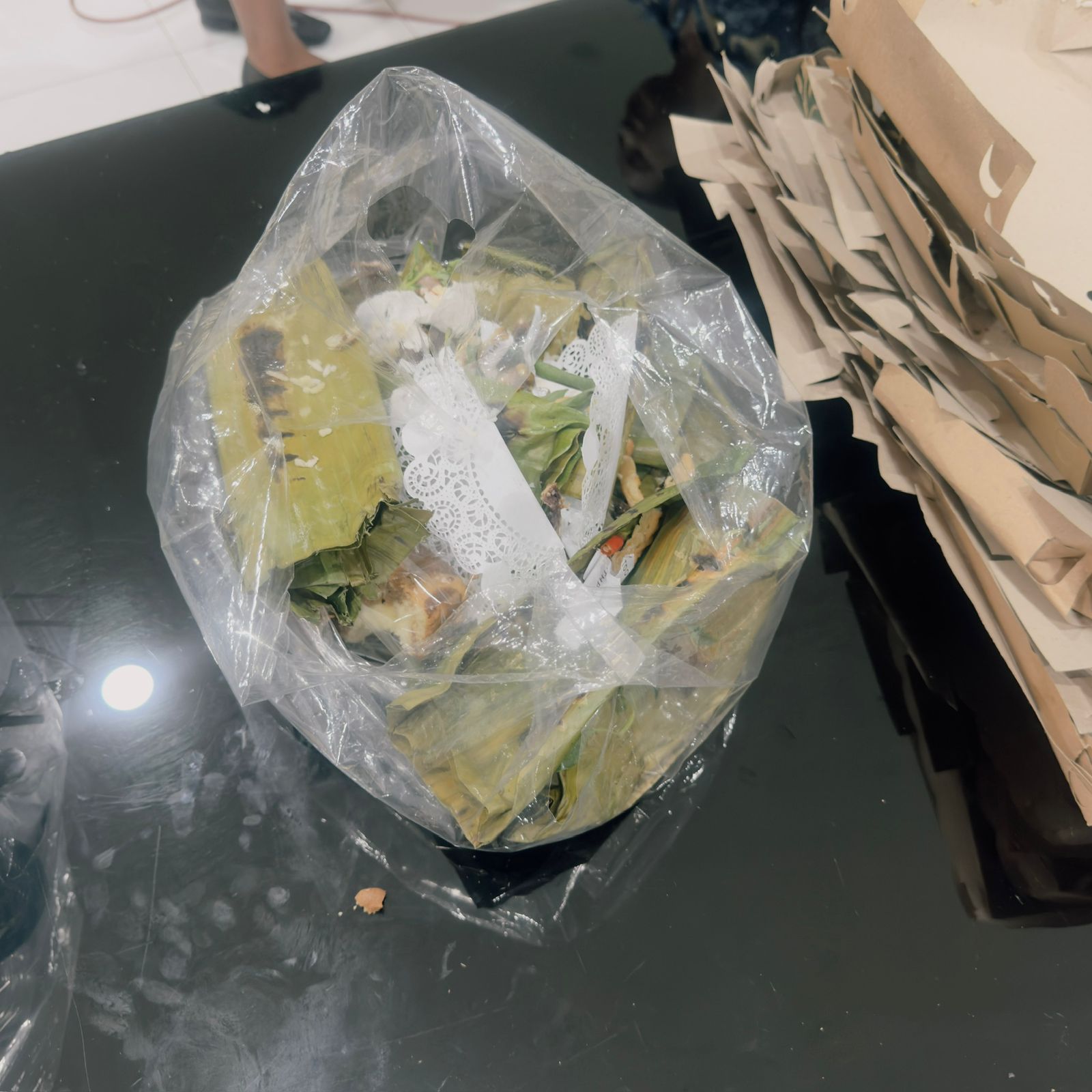
During every meeting, participants are encouraged to take personal responsibility for managing the waste they generate. Several simple practices have been introduced. Cardboard meal boxes are folded to facilitate reuse. Plastic bottles and cups are separated and collected for delivery to local waste banks or recycling collectors as part of the recycling value chain. Food scraps and organic packaging materials, such as banana leaves, are sorted and processed into compost.
The standards implemented by the East Nusa Tenggara Provincial Government and the Relung Indonesia Foundation are aligned with BPDLH’s environmental safeguard framework, particularly Principle Three, which emphasizes resource efficiency and the protection of environmental quality. The safeguard approach ensures that project activities—including coordination meetings—do not create additional environmental burdens through unmanaged waste disposal.
The practice of independent waste sorting by participants serves as a concrete demonstration of compliance with environmental protection standards. Household and meeting-related waste management is no longer viewed as a supplementary activity; it has become an important indicator of consistency in implementing climate change mitigation efforts.
Some waste materials, such as plastic bottles and cardboard packaging, retain economic value and can be distributed to local recycling partners or waste banks, thereby supporting the development of a circular economy. Organic waste, meanwhile, is processed into compost to ensure that food residues do not ultimately end up in landfills.
“People often ask whether managing a few plastic bottles or other waste items in a meeting room is too trivial compared to the responsibility of protecting hundreds of thousands of hectares of forest. Why go to such lengths? The answer lies in one word: consistency. Meaningful change never emerges from habits that contradict the very goals we seek to achieve,” said Yudistira, Chairperson of the Relung Indonesia Foundation.
Policymakers are expected to lead by example in environmental stewardship, beginning with the smallest actions, such as taking responsibility for the waste generated through their own consumption. Such practices help build public trust in broader environmental protection efforts.
Sorting waste after meetings is also a process of institutional character-building. It cultivates environmental awareness, responsibility, and attentiveness. By becoming accustomed to managing the waste they generate, participants are expected to develop a stronger sense of accountability toward the environment—an awareness that can ultimately influence the formulation of more strategic and impactful policies.
Beyond waste management, the initiative also addresses upstream consumption patterns through the selection of healthier and more environmentally friendly meeting refreshments. Organizers are encouraged to move away from snacks packaged in plastic and instead provide traditional local foods such as boiled cassava, corn, and snacks wrapped in banana leaves. This approach not only reduces plastic waste but also directly supports local Micro, Small, and Medium Enterprises (MSMEs) in East Nusa Tenggara.
The efforts undertaken by the East Nusa Tenggara Provincial Government and the Relung Indonesia Foundation have established a new benchmark for environmentally responsible government meetings. The success of the Results-Based Payment (RBP) GCF Output 2 Project should not be measured solely by budget absorption rates or emission reduction figures, but also by the extent to which environmental principles are embedded in the daily practices of those implementing the program.
By fostering a new habit that may appear simple yet carries meaningful impact, this initiative demonstrates that climate action does not always begin with grand policies or large-scale investments. Sometimes, it starts with something as simple as taking responsibility for the waste left behind on a meeting table.
“Dynamic Harmony between Human and Nature.”
-Relung Indonesia
Tags :
News
Share This :
Category
- Ecosystem Restoration
- Biodiversity and Wildlife Conservation
- Community Ecological Education
- Digital Climate Action
- Climate Movement
- Knowledge Hub
- Sustainable Biodiversity-Based business
- Bioconversion and Bioprocessing-Based Business (4B)
- Sustainable Community-Based Tourism (SCBT)
- Integrated Agroforestry Initiatives
- Carbon Farming Initiative
- Basic service access and quality improvement for communities
- Livelihood Improvement Interventions
- Development of Social Networks and Cooperation
- Participatory Sustainable Livelihood Assesment
- Women's Empowerment Collective
- News
Upcoming Events
Discussion: Disability and Social Inclusion
28
March
- Sleman, Yogyakarta
- 15.00 PM - 18.30 PM
Improving Facilitation Skills: Effective Techniques and Strategies
04
June
- Sleman, Yogyakarta
- 14.00 PM - 17.00 PM
Other Pages
Contact Info
- Omah Relung. Kalipentung RT03/RW17 Kalitirto Berbah Sleman Yogyakarta 55573.
- +62 851-7544-2708
- info@relung.or.id
Newsletter
Take care of the environment with Relung Indonesia Foundation! Get the latest information about forestry and the environment in Indonesia.
Relung Indonesia Foundation
Copyright © 2023. All rights reserved.