
Lessons from EWCF: Agroforestry and the Foundations of an Inclusive Rural Economy
admin
June 24, 2026
Women's Empowerment Collective
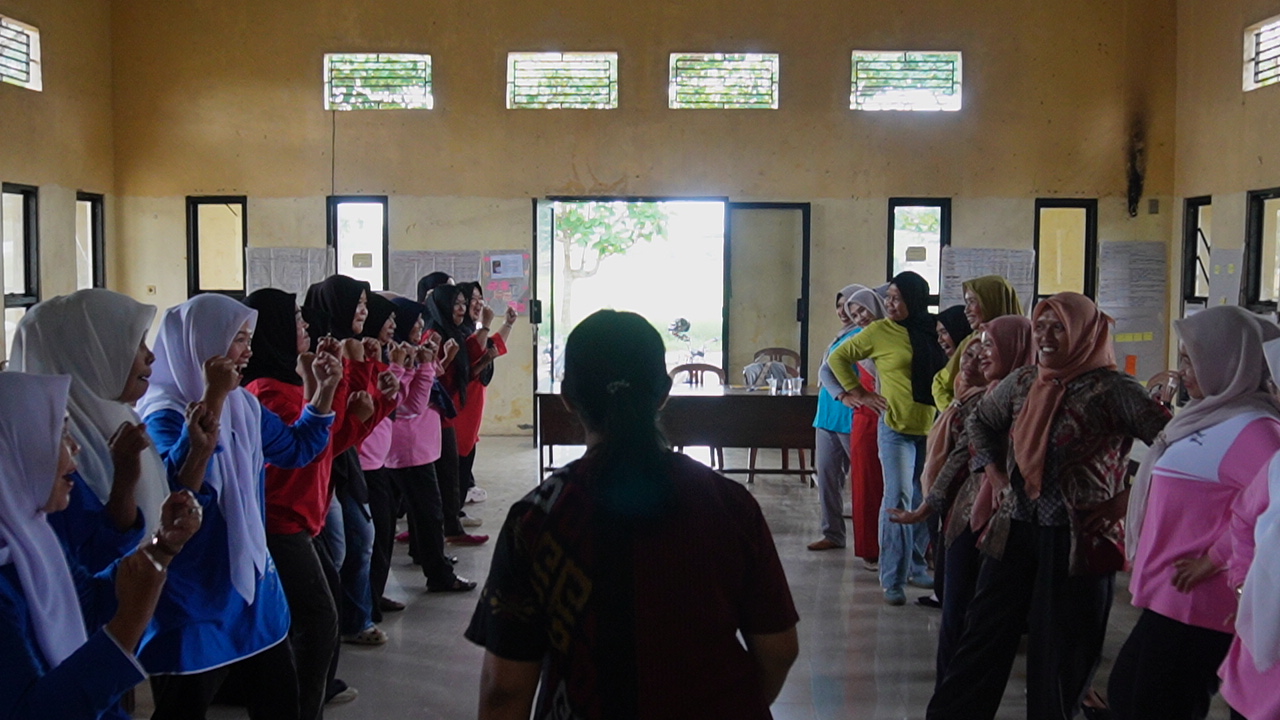
Lampung and coffee are inseparable. For decades, the province has been recognized as one of the leading coffee-producing regions in Sumatra, alongside Aceh and its surrounding areas. This reputation is evident on the ground, particularly in Tanggamus Regency, one of the major coffee production centers in the province, famously symbolized by the Mahkota Siger. According to data from Indonesia’s Central Statistics Agency (BPS), Tanggamus currently has approximately 41,622 hectares of coffee plantations, producing around 31,986 tons of coffee beans annually. Coffee cultivation is spread across nearly all sub-districts in the regency. Given this significant production capacity, it is unsurprising that Tanggamus has attracted major global coffee-processing industries seeking reliable sources of raw materials, including Nestlé, the multinational food and beverage company headquartered in Switzerland.
A Brief Overview of the Empowerment Women Coffee Farmer (EWCF) Program
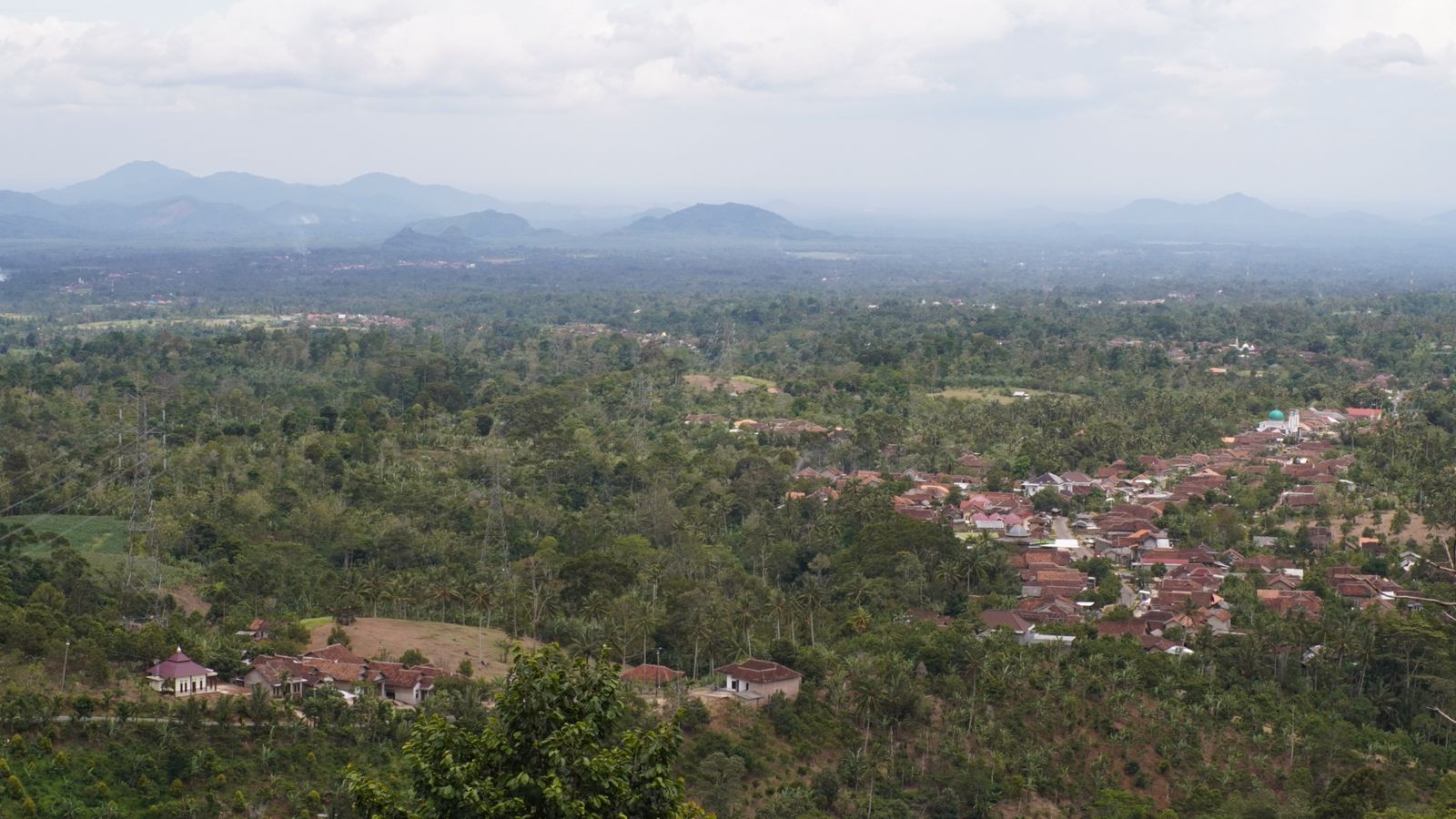
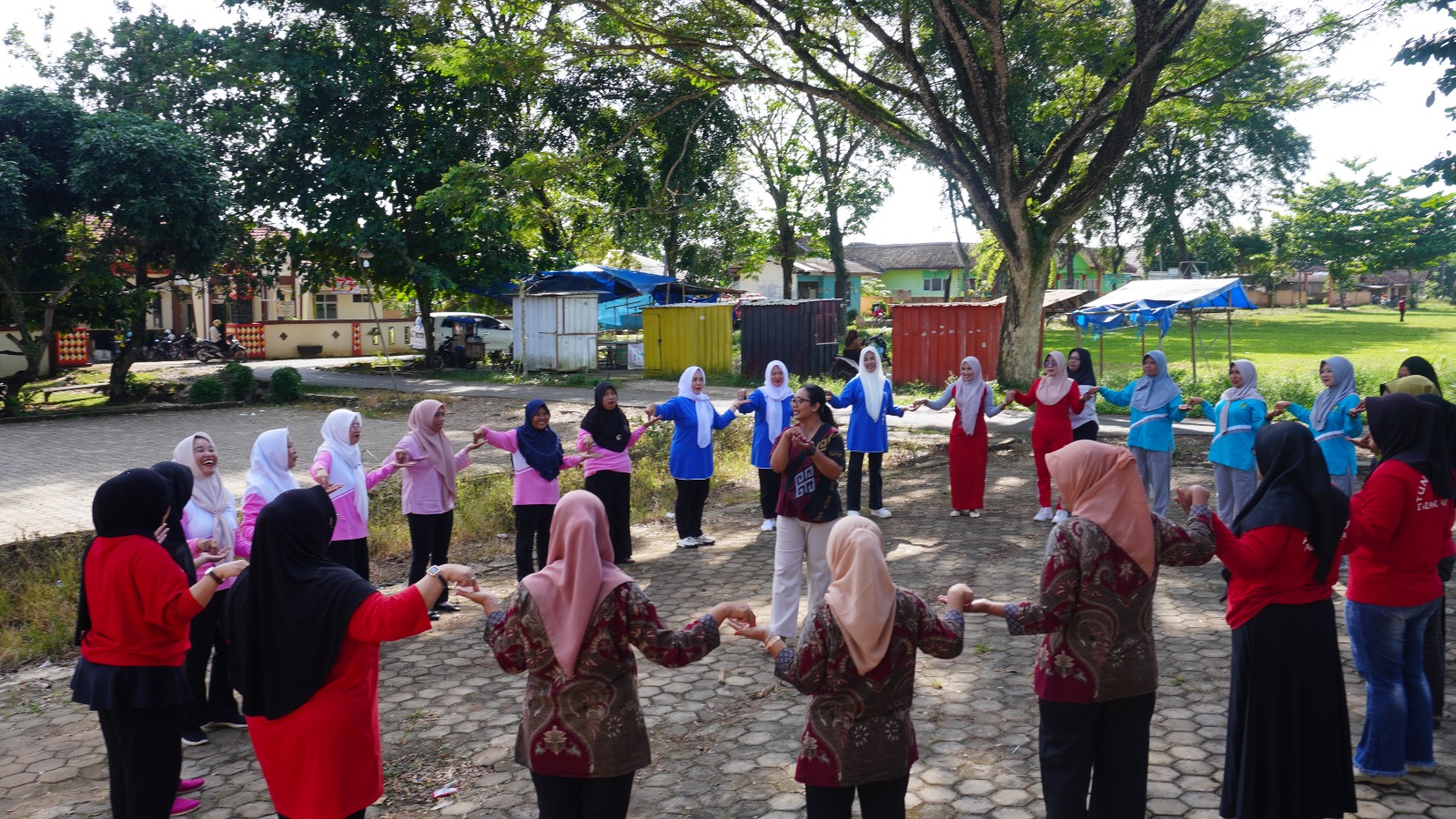
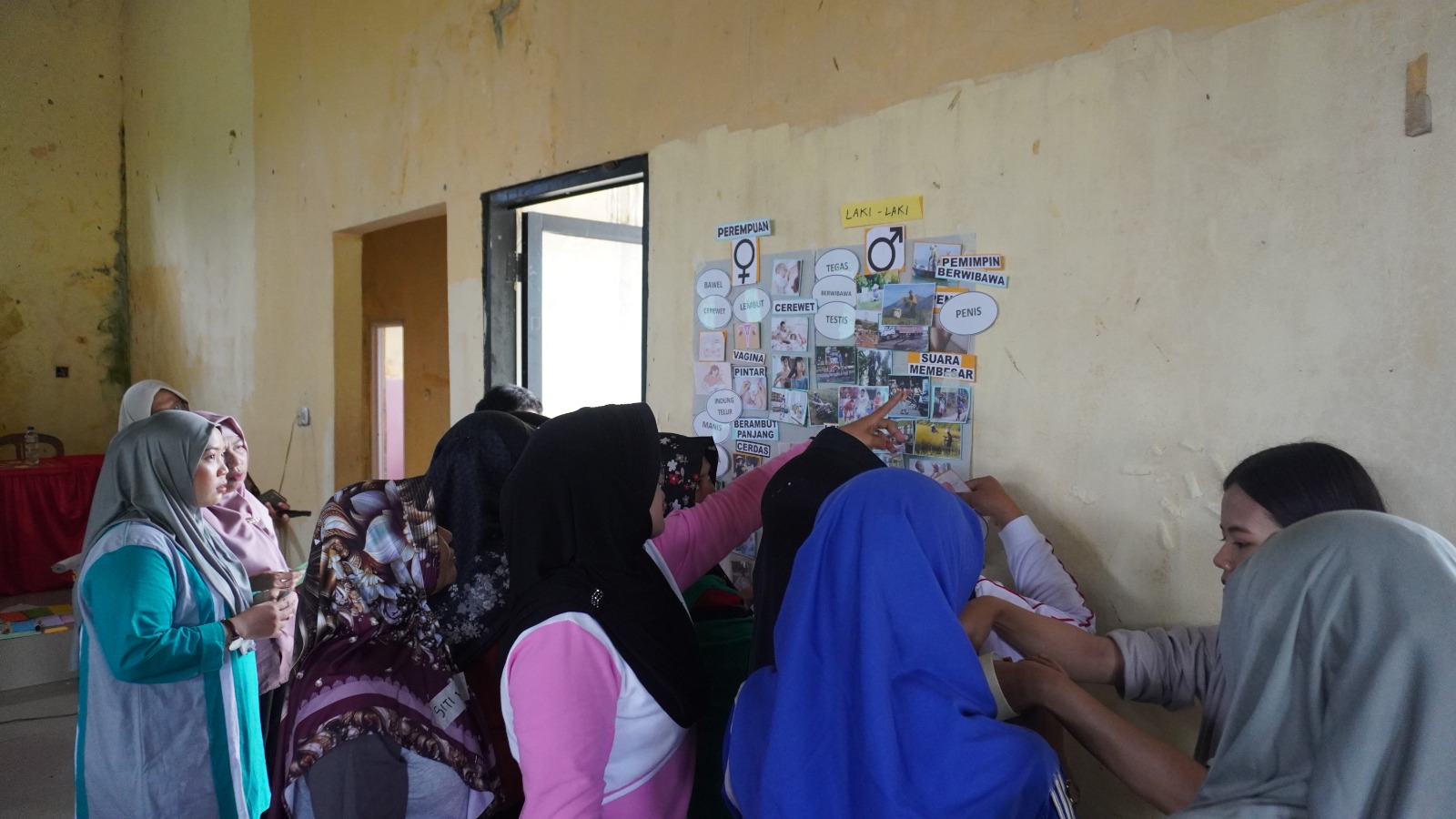
The Empowerment Women Coffee Farmer (EWCF) Program is an initiative designed to empower coffee-farming communities, particularly women coffee farmers, in Tanggamus Regency, Lampung Province. Through the Gender Action Learning System (GALS) approach, facilitators from Relung Indonesia Foundation work alongside approximately 22 Women Farmer Groups (Kelompok Wanita Tani or KWTs) to develop productive business ideas based on the natural resources available in their surrounding environment.
One unique aspect of the program is that participants are not allowed to develop businesses using coffee as their primary raw material. At first glance, this may seem unusual. However, this restriction is a deliberate design feature of the program. The objective is to encourage coffee-farming households to identify and develop alternative economic opportunities beyond coffee production itself.
There are at least two reasons behind this approach. First, it promotes income diversification, reducing dependence on a single commodity. Second, it encourages the optimization of resources available within agroforestry systems that coexist with coffee cultivation. The program is implemented through a partnership between GIZ, Nestlé, and Relung Indonesia Foundation, which serves as the field implementer. The project began in December 2024 and continues to operate today.
Lessons After One Year: Agroforestry and Inclusive Economic Development
After observing the implementation and progress of the program over the past year, one concept appears particularly relevant in describing what has emerged on the ground: inclusive economic development rooted in agroforestry ecosystems. Agroforestry systems are maintained not only for ecological purposes but also because they provide diverse resources and economic opportunities for rural households.
To better understand the program’s contribution to inclusive economic development, it is useful to examine several key dimensions: capacity building, employment opportunities, financial literacy, entrepreneurship and business development, community development, diversity, and global connectivity.
Capacity Building
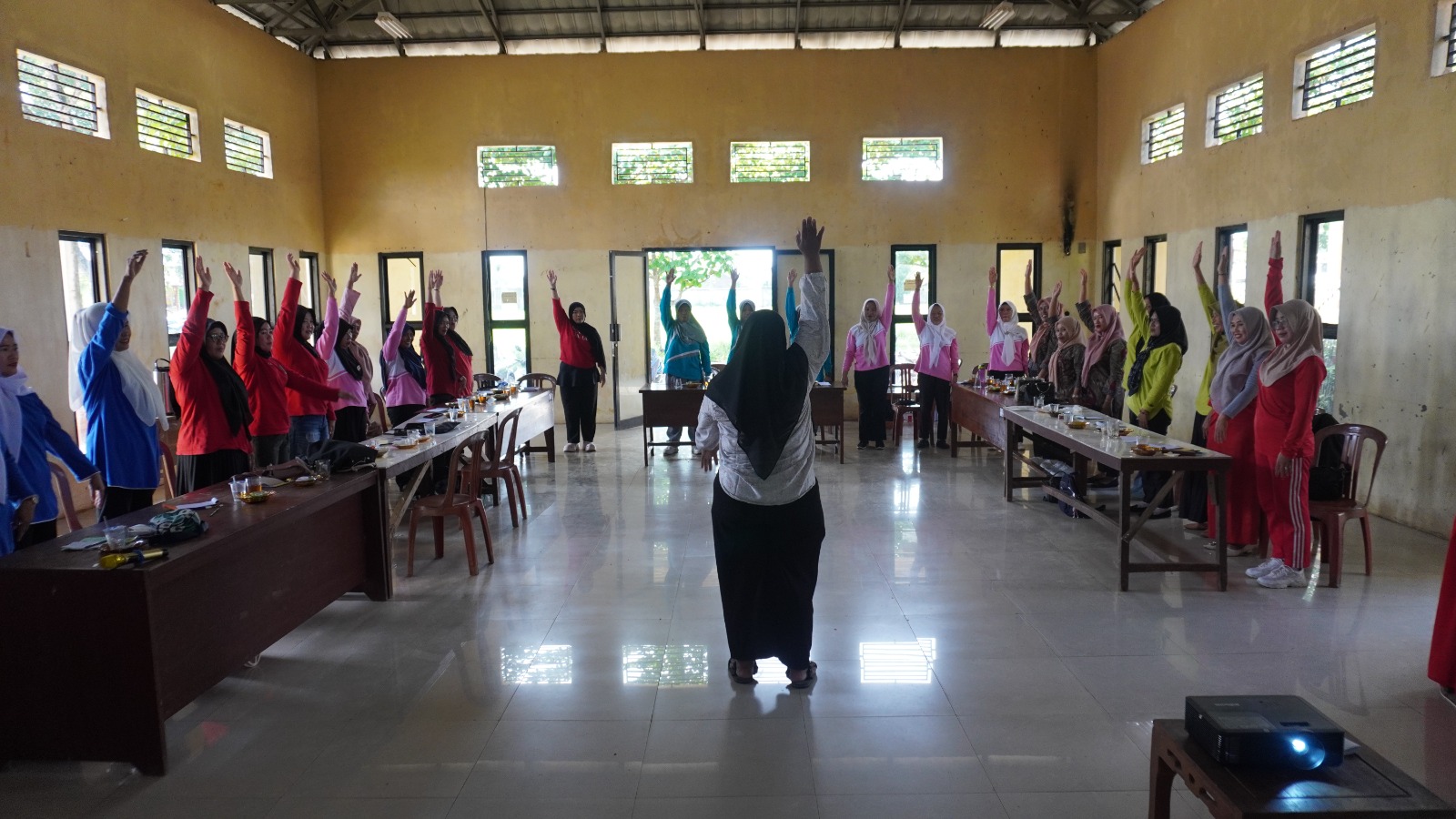
From the outset, the EWCF Program has provided participants with access to knowledge, understanding, and practical skills related to productive enterprise development. Training topics include the GALS methodology, entrepreneurship, business planning through the Business Model Canvas (BMC), business management, digital marketing, and more.
These educational and capacity-building activities are delivered openly and are accessible to all members of the Women Farmer Groups, ensuring broad participation and learning opportunities.
Employment Opportunities
As productive enterprises began to emerge during the program’s implementation, Women Farmer Group members gained opportunities to utilize their available time in income-generating activities. Together with fellow members and group leaders, they started producing various processed products for local markets.
It is important to note that employment in this context differs from formal employment measured through conventional indicators such as factory work or salaried positions. The jobs and economic opportunities created through the Women Farmer Groups are highly flexible and adapted to local conditions, group capacities, and market demand.
Entrepreneurship and Business Development
From an entrepreneurship perspective, the EWCF Program has played a highly significant role. Its impact is reflected in the emergence of numerous products that have successfully entered the market.
Each product has required the development of essential entrepreneurial components within the respective Women Farmer Groups, including product branding, business licensing, production standard operating procedures (SOPs), business administration and financial management systems, marketing strategies, and more.
Today, approximately 22 processed-product brands have been established as business units of the participating Women Farmer Groups. All 22 products have obtained the legal permits necessary for broader commercialization. Marketing networks have also expanded significantly, reaching around 50 kiosks, retail shops, and school canteens, one modern supermarket, and a network of 14 product sales agents.
By the end of the first year of enterprise development, these businesses had generated total sales revenue of approximately IDR 126,570,000, with a gross profit of around IDR 53,318,421.
Community Development
Community development is perhaps the most visible area of progress. The EWCF Program has transformed participating Women Farmer Groups into more dynamic and productive community organizations compared to their condition before the program began.
Regular meetings, group savings schemes, and collective business activities have become tangible manifestations of this transformation. Equally important has been the shift in perspectives and organizational capacity. Group members have strengthened their ability to manage organizations and increasingly view their groups as legitimate entities whose voices should be considered in village-level decision-making processes.
Financial Literacy
The program introduces an innovative financial literacy approach developed by Relung Indonesia Foundation known as Regenerative Financial Management (RFM).
Through this approach, women coffee farmers are initially encouraged to reflect on the quality of their spending habits. Participants often realize that many of their expenditures are driven more by wants than by essential needs. This awareness helps them recognize their capacity to reduce unnecessary spending and allocate part of their income to savings.
The approach then facilitates the development of collective savings systems within the groups. Over time, these savings mechanisms enable members to gradually accumulate capital for productive enterprises.
In essence, Regenerative Financial Management strengthens the ability of farmers—both individually and collectively—to manage financial resources more effectively, meeting household needs while simultaneously building capital for business development.
Diversity
From the perspective of diversity, the program has encouraged a wide range of outcomes. This diversity is reflected in the variety of products produced, the broad range of raw materials utilized, and the expanding social and economic roles played by Women Farmer Group members and leaders.
Ultimately, this diversity contributes to the creation of multiple income sources for rural households, reducing dependence on a single commodity or economic activity.
Global Connectivity
The farmers participating in the EWCF Program are also part of a global supply chain, serving as suppliers of coffee beans to Nestlé, one of the world’s largest food and beverage companies.
While integration into global markets offers opportunities, it also creates vulnerabilities, particularly due to fluctuating and unpredictable commodity prices. The development of alternative income streams through the EWCF Program serves as an important buffer against volatility in global coffee markets, helping farmers become more economically resilient.
Conclusion
The agroforestry systems practiced in Tanggamus Regency provide women coffee farmers with access to a diverse range of raw materials and economic opportunities. This situation differs significantly from a monoculture system focused solely on coffee production.
In reality, coffee farmers in Tanggamus also cultivate bananas, cassava, sugar palm, various medicinal and spice crops, avocados, lemons, sweet potatoes, taro, and many other commodities. These agricultural products create opportunities for the development of a wide variety of processed goods.
By applying relatively simple processing techniques, the Women Farmer Groups participating in the EWCF Program have successfully transformed these resources into marketable products that generate new and diversified income streams alongside coffee, which remains their primary economic activity.
This experience demonstrates the importance of maintaining and strengthening diversified farming systems such as agroforestry. Such systems provide the ecological and economic foundation from which more inclusive, resilient, and sustainable rural economies can emerge.
Contributors:
Akhmad Arief Fahmi and Radian Anwar
“Dynamic Harmony between Human and Nature.”
-Relung Indonesia
Tags :
Women's Empowerment Collective
Share This :
Latest Blog
-
 Kemongkong: Preserving the Boundary Between Farmland, Forest, and Wild Boars in Petungkriyono08 Jul 2026
 -
 Agroforestry and Karst Carbon: The Hidden Climate Potential Beneath Limestone Mountains26 Jun 2026
 -
Lessons from EWCF: Agroforestry and the Foundations of an Inclusive Rural Economy24 Jun 2026
-
 BUMDes at a Crossroads17 Jun 2026
Category
- Ecosystem Restoration
- Biodiversity and Wildlife Conservation
- Community Ecological Education
- Digital Climate Action
- Climate Movement
- Knowledge Hub
- Sustainable Biodiversity-Based business
- Bioconversion and Bioprocessing-Based Business (4B)
- Sustainable Community-Based Tourism (SCBT)
- Integrated Agroforestry Initiatives
- Carbon Farming Initiative
- Basic service access and quality improvement for communities
- Livelihood Improvement Interventions
- Development of Social Networks and Cooperation
- Participatory Sustainable Livelihood Assesment
- Women's Empowerment Collective
- News
Upcoming Events
Discussion: Disability and Social Inclusion
28
March
- Sleman, Yogyakarta
- 15.00 PM - 18.30 PM
Improving Facilitation Skills: Effective Techniques and Strategies
04
June
- Sleman, Yogyakarta
- 14.00 PM - 17.00 PM
Other Pages
Contact Info
- Omah Relung. Kalipentung RT03/RW17 Kalitirto Berbah Sleman Yogyakarta 55573.
- +62 851-7544-2708
- info@relung.or.id
Newsletter
Take care of the environment with Relung Indonesia Foundation! Get the latest information about forestry and the environment in Indonesia.
Relung Indonesia Foundation
Copyright © 2023. All rights reserved.