
From Frugal Living to Regenerative Financial Management: When Saving Becomes a Path to Resilience
admin
May 5, 2026
Knowledge Hub

In recent years, frugal living has become increasingly popular. On social media, the term often appears as an invitation to live more economically: reduce impulsive spending, restrain desires, create budgets, and avoid waste. In one sense, this is a positive signal. Amid economic pressure, a more mindful lifestyle is certainly healthier than unchecked, impulsive consumption.
However, there is also something that deserves closer scrutiny. In practice, frugal living often stops at the level of aesthetic simplicity. It becomes a style, an identity, even a source of pride for being “thrifty,” without necessarily reaching a more fundamental question: what are we saving for? What is the purpose of financial discipline? And after expenses are reduced, what are we actually building?
This is where the conversation needs to move further.
Saving is important. But saving alone does not automatically make life more resilient. A person may be very careful with spending, yet still live with anxiety—without protection in times of crisis, without sufficient savings, without investment in personal capacity, without strengthening their livelihood, and without social networks that provide support. Saving, if left without direction, can remain merely a short-term survival strategy rather than a pathway to a stronger future.
For this reason, a shift in perspective is needed: from frugal living to Regenerative Financial Management.
Sound financial management is not simply about reducing expenses, recording income, or keeping neat financial records. Finance must be understood as part of how we build a life that is more resilient, healthier, more equitable, and more sustainable. Money is not merely a transactional tool. It is a means to create spaces of safety, growth, and recovery.
This is why we use the term “regenerative.”
Regenerative thinking goes beyond the logic of “not running out.” It means that what we manage today should help life to grow again. In financial terms, this means that our decisions should not only enable survival, but also make families more prepared for crises, strengthen collective capacities, support healthier enterprises, and empower communities to shape their futures. More broadly, sound financial management should not be disconnected from how we treat the environment that sustains our lives.
This is the fundamental difference. Frugal living often focuses on controlling consumption. Regenerative Financial Management invites us to think about the direction of the resources we have saved. After becoming more frugal, does the money simply return to another cycle of consumption? Or does it transform into emergency savings, business capital, education funds, collective strengthening, or support for more sustainable ways of living?
For us, that question is far more important than how much one can resist buying something.
In reality, the challenges we face today are not as simple as wasteful versus frugal. Many families and communities live in vulnerable conditions not merely because they cannot manage money, but because they face layered pressures: rising living costs, unstable incomes, limited access, unequal workloads, and environmental crises that erode livelihoods. In such contexts, overly simplistic calls for frugality can feel unfair—as if all problems could be solved simply by “spending less.”
They cannot.
That is why financial management must be grounded in broader awareness: awareness of risk, of power relations within households and communities, of the importance of long-term protection, and of the social and ecological consequences of every financial decision, however small.
Across many communities we work with, resilience does not emerge from having large sums of money alone. More often, it grows from consistent small habits: tracking expenses, distinguishing needs from wants, building savings, limiting unnecessary spending, strengthening productive activities, and maintaining collective mechanisms such as rotating savings groups or shared funds. From there, finance ceases to be a solitary, private matter—it becomes part of a shared practice of mutual care.
This is what must be sustained in today’s financial discourse. It is not enough to promote simple living. We must also cultivate the understanding that every financial decision can become a foundation of resilience—not only for individuals, but for families, groups, and broader communities.
In this way, saving no longer feels like a painful act of deprivation. It becomes a purposeful action. It creates breathing room. It reduces vulnerability. It opens possibilities. It allows us to build reserves, expand choices, and avoid falling each time shocks occur.
And when this habit is combined with a regenerative mindset, we are no longer merely cutting expenses—we are building life capacity.
This is the shift that needs to be encouraged: from narrow, reactive financial thinking to purposeful, regenerative financial management. From simply “saving to avoid running out,” to managing resources so that life can continue to grow. From surviving alone, to growing together.
Ultimately, frugal living can be a good starting point. But it should not be the final destination. What matters far more is how the practice of saving leads us toward a life that is more resilient, more connected, and more regenerative.
Because resilience does not emerge from empty austerity. It emerges when every resource we have—no matter how small—is managed consciously, directed wisely, and used to regenerate life.
Contributor:
Meiardhy Mujianto
“Dynamic Harmony between Human and Nature.”
-Relung Indonesia
Tags :
Knowledge Hub
Share This :
Latest Blog
-
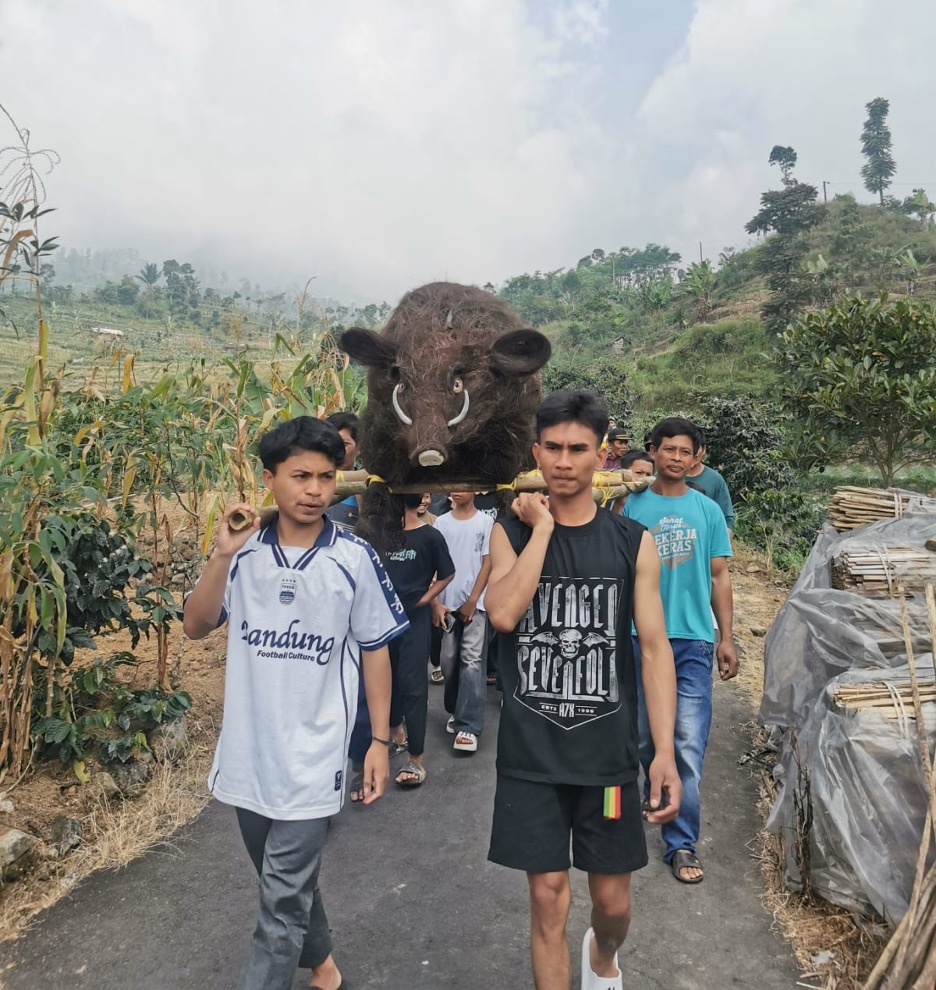 Kemongkong: Preserving the Boundary Between Farmland, Forest, and Wild Boars in Petungkriyono08 Jul 2026
 -
 Agroforestry and Karst Carbon: The Hidden Climate Potential Beneath Limestone Mountains26 Jun 2026
 -
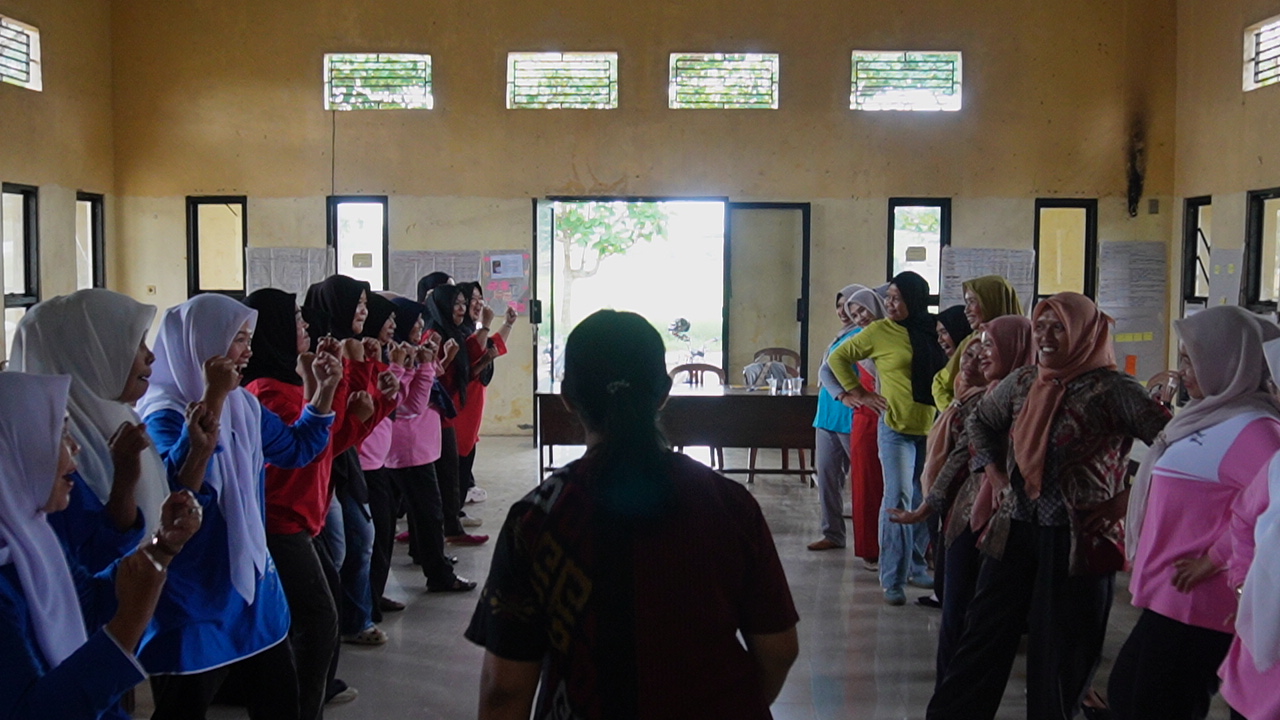 Lessons from EWCF: Agroforestry and the Foundations of an Inclusive Rural Economy24 Jun 2026
 -
 BUMDes at a Crossroads17 Jun 2026
Category
- Ecosystem Restoration
- Biodiversity and Wildlife Conservation
- Community Ecological Education
- Digital Climate Action
- Climate Movement
- Knowledge Hub
- Sustainable Biodiversity-Based business
- Bioconversion and Bioprocessing-Based Business (4B)
- Sustainable Community-Based Tourism (SCBT)
- Integrated Agroforestry Initiatives
- Carbon Farming Initiative
- Basic service access and quality improvement for communities
- Livelihood Improvement Interventions
- Development of Social Networks and Cooperation
- Participatory Sustainable Livelihood Assesment
- Women's Empowerment Collective
Upcoming Events
Discussion: Disability and Social Inclusion
28
March
- Sleman, Yogyakarta
- 15.00 PM - 18.30 PM
Improving Facilitation Skills: Effective Techniques and Strategies
04
June
- Sleman, Yogyakarta
- 14.00 PM - 17.00 PM
Other Pages
Contact Info
- Omah Relung. Kalipentung RT03/RW17 Kalitirto Berbah Sleman Yogyakarta 55573.
- +62 851-7544-2708
- info@relung.or.id
Newsletter
Take care of the environment with Relung Indonesia Foundation! Get the latest information about forestry and the environment in Indonesia.
Relung Indonesia Foundation
Copyright © 2023. All rights reserved.