
The Middle East Crisis, Oil Prices, and Packaging Plastics: A Threat to Indonesian MSMEs and an Opportunity for Bioplastics
admin
March 31, 2026
Knowledge Hub
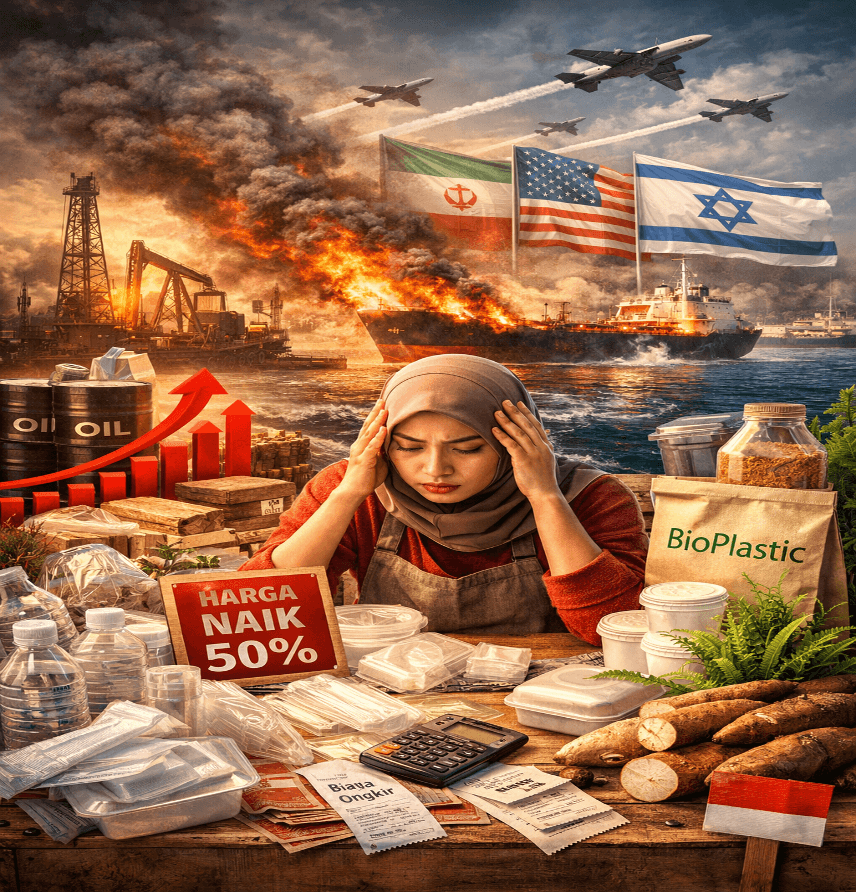
The conflict involving Iran, the United States, and Israel is not a distant geopolitical issue for Indonesia. When war disrupts global energy and petrochemical routes, its impact cascades into oil prices, logistics costs, and the packaging plastics used daily by small businesses. In this context, bioplastics can no longer be framed merely as an environmental concern—they must be positioned as part of a broader resilience strategy for Indonesia’s micro, small, and medium enterprises (MSMEs).
As of March 30, 2026, global energy markets remain under significant strain. Reuters reports that Brent crude is hovering around US$115.55 per barrel, up nearly 60% since the end of February, driven by escalating tensions and threats to the Strait of Hormuz. This corridor is one of the world’s most critical energy chokepoints, handling roughly 20% of global energy trade. Asia is the first region to feel the shock, given its heavy reliance on energy supplies from the Persian Gulf.
The consequences extend far beyond fuel. Modern plastics are deeply tied to oil and petrochemical supply chains. The U.S. Energy Information Administration notes that many plastic products are derived from crude oil and natural gas feedstocks. Reuters further reports that the Iran conflict has disrupted petrochemical flows through Hormuz, pushing the prices of polyethylene and polypropylene—two key packaging resins—to their highest levels in roughly four years. With the Middle East accounting for more than 40% of global polyethylene exports in 2025, disruptions in the region inevitably squeeze packaging industries across Asia.
For Indonesia, this is anything but abstract. Bank Indonesia noted in March 2026 that rising global oil prices have disrupted international trade supply chains, weakened global growth prospects, and intensified inflationary pressures. In an economy where small businesses play a central role, such shocks quickly translate into everyday realities: higher transport costs, rising input prices, and escalating packaging expenses.
This is where MSMEs are most exposed. Government data cited by the Ministry of Finance and the Coordinating Ministry for Economic Affairs shows that Indonesia is home to more than 64 million MSMEs, contributing around 61% of GDP and employing nearly 97% of the workforce. When energy, logistics, and packaging costs rise simultaneously, it is not a marginal sector that suffers—it is the backbone of the national economy.
The strain is already visible on the ground. MSMEs supported by the Relung Indonesia Foundation report that packaging costs for processed food and beverage products have risen by approximately 40–50%. Larger firms may be able to absorb such increases in the short term. For MSMEs, however—particularly in food, beverages, souvenirs, and home-based processing—these cost spikes can quickly erode already thin margins. They are caught in a squeeze: prices cannot be raised quickly, yet production costs continue to climb.
This should be read as a structural warning. As long as Indonesian MSMEs remain heavily dependent on fossil-based packaging and fragile global supply chains, every geopolitical escalation will continue to seep into their cost structures. The issue is not simply that oil is expensive—the deeper problem is that the system itself is vulnerable.
This is precisely why bioplastics are becoming increasingly relevant. Not because they offer a quick fix, but because Indonesia already possesses the material base and policy direction to develop them more seriously. The Ministry of Marine Affairs and Fisheries (KKP) has promoted seaweed-based packaging and straws for MSMEs, and in 2025 emphasized the downstream development of non-hydrocolloid seaweed into higher-value products, including bioplastics and sustainable packaging materials.
Domestic research is also gaining traction. In February 2026, the National Research and Innovation Agency (BRIN) reported progress in developing cassava starch-based bioplastics, highlighting the potential of local biomaterials to reduce reliance on petroleum-based plastics. In other words, Indonesia is not starting from zero—the raw materials exist, the research is underway, and the urgency is growing as geopolitical pressures intensify.
What is needed now is a shift in perspective. Bioplastics should not be treated merely as environmental initiatives or green branding tools. For MSMEs, they must be integrated into a broader strategy of business resilience, raw material diversification, and reduced exposure to volatile imported resin prices. This means linking the bioplastics agenda to stronger local value chains, quality standardization, innovation financing, pro-local procurement policies, and sustained MSME support to ensure a realistic and gradual transition.
This direction is also aligned with national policy. Ministerial Regulation of the Ministry of Environment and Forestry No. 75 of 2019 targets a 30% reduction in waste by producers by 2029, covering manufacturing, retail, and food and beverage sectors. The shift toward more sustainable packaging, therefore, is not only an ethical imperative but also a regulatory trajectory.
For civil society organizations, this moment is critical. When oil prices surge due to conflict, when plastic resin prices spike, and when MSMEs report packaging cost increases of up to 40–50%, the conversation cannot stop at market difficulties. It must address economic resilience at the grassroots level. Innovations in packaging based on seaweed, cassava, sago, and other local biomaterials must be elevated as strategic priorities—not relegated to environmental discourse.
The Middle East crisis has exposed the fragility of our dependence on fossil-based plastics. If Indonesia is serious about safeguarding its MSMEs from global shocks, the development of local bioplastics can no longer be postponed. This is not only about environmental protection—it is about ensuring that small businesses can endure when global conditions are anything but stable.
Contributor:
Meardhy Mujianto
“Dynamic Harmony between Human and Nature.”
-Relung Indonesia
Tags :
Knowledge Hub
Share This :
Latest Blog
-
 A SCHOOL AT THE EDGE OF THE MOUNTAINS01 Sep 2026
 -
 THE REPUBLIC IN THE MOUNTAINS24 Aug 2026
 -
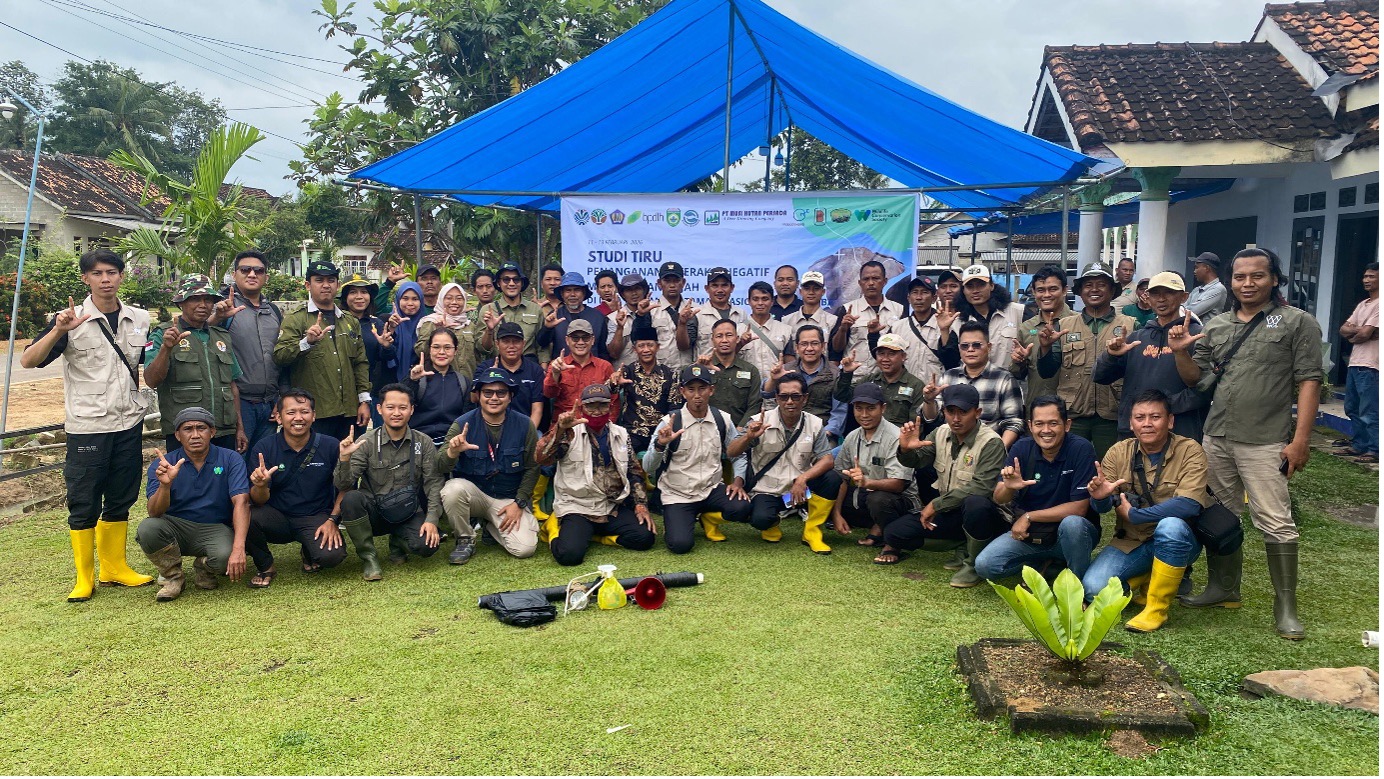 When Living Spaces Shrink: Efforts to Maintain Harmony Between People and Elephants in South Sumatra20 Aug 2026
 -
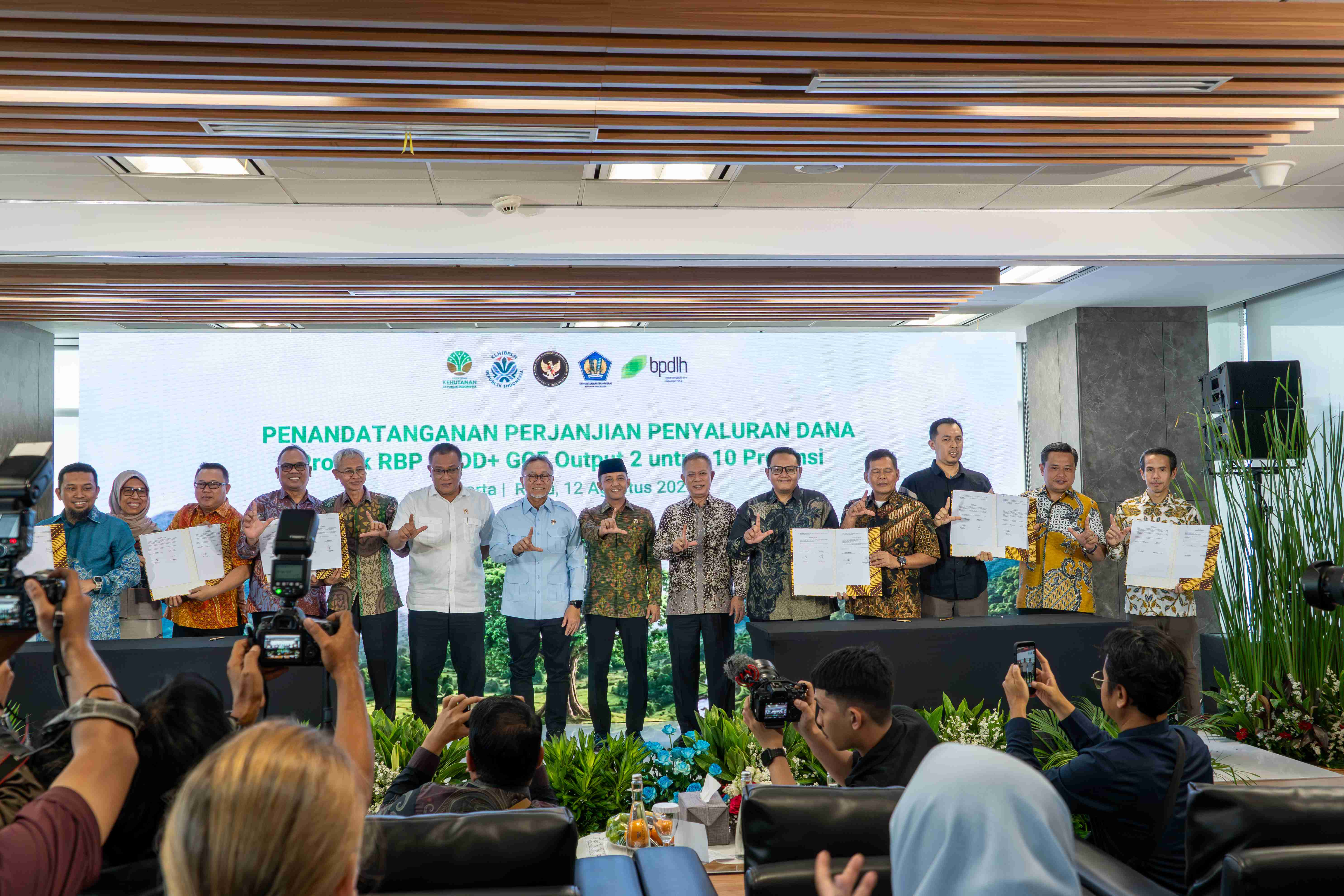 Relung Indonesia Entrusted to Support Five Provinces under the RBP REDD+ GCF Output 2 Financing Scheme13 Aug 2026
Category
- Ecosystem Restoration
- Biodiversity and Wildlife Conservation
- Community Ecological Education
- Digital Climate Action
- Climate Movement
- Knowledge Hub
- Sustainable Biodiversity-Based business
- Bioconversion and Bioprocessing-Based Business (4B)
- Sustainable Community-Based Tourism (SCBT)
- Integrated Agroforestry Initiatives
- Carbon Farming Initiative
- Basic service access and quality improvement for communities
- Livelihood Improvement Interventions
- Development of Social Networks and Cooperation
- Participatory Sustainable Livelihood Assesment
- Women's Empowerment Collective
Upcoming Events
Discussion: Disability and Social Inclusion
28
March
- Sleman, Yogyakarta
- 15.00 PM - 18.30 PM
Improving Facilitation Skills: Effective Techniques and Strategies
04
June
- Sleman, Yogyakarta
- 14.00 PM - 17.00 PM
Other Pages
Contact Info
- Omah Relung. Kalipentung RT03/RW17 Kalitirto Berbah Sleman Yogyakarta 55573.
- +62 851-7544-2708
- info@relung.or.id
Newsletter
Take care of the environment with Relung Indonesia Foundation! Get the latest information about forestry and the environment in Indonesia.
Relung Indonesia Foundation
Copyright © 2023. All rights reserved.